


Selecting a long-term service and machinery partner is one of the most consequential decisions a fleet manager, public works director, or jobsite superintendent will ever make. Heavy machinery represents an immense capital investment. The profitability of any enterprise relying on earthmovers, haulers, and specialized machinery hinges directly on machine availability, operational safety, and predictable lifecycle costs. A single unexpected breakdown on a critical path activity can cascade into thousands of dollars per hour in delayed labor, liquidated damages, and idle downstream assets.
To mitigate these operational risks, industry leaders look beyond basic transaction prices and focus on establishing robust supply partnerships. The ideal supplier serves as an extension of your own fleet management team, bringing technical expertise, quick-response field service, reliable logistics support, and top-tier OEM parts availability. Balancing high-level operational strategy with practical shop-floor vetting ensures your fleet remains productive, compliant, and cost-effective throughout its service life.
Assessing Core Operational Requirements and Fleet Demands

Before reaching out to prospective vendors, you must conduct an exhaustive, data-driven audit of your fleet’s current baseline performance and anticipated workload over a multi-year horizon. Choosing a machinery partner without clear internal metrics leads to misaligned service level agreements, overpaying for unused vendor capacities, or facing critical support shortages during peak season demand. Begin by analyzing key performance indicators across your current assets, including mean time between failures, asset utilization percentages, and planned machine replacement cycles.
A thorough operational assessment requires a clear understanding of your asset utilization patterns across different job sites and seasons.
- Identify core machine categories that demand maximum uptime and must be owned outright versus secondary assets needed only for specialized, short-duration tasks.
- Review historic maintenance records to highlight recurring component failures caused by specific jobsite environments, such as high-dust quarrying or corrosive coastal applications.
- Estimate projected project timelines for the next three to five years to determine whether fleet expansion or targeted asset replacement is necessary.
- Determine specific jobsite constraints, including transport weight limits, engine emissions regulations, and strict decibel limits for urban job sites.
Matching internal capacity gaps to external sourcing models is critical to maintaining high profit margins. For instance, when temporary projects require highly specialized machinery or sudden surges in workload exceed your capital budget, turning to an established equipment rental program allows you to scale up operational capacity without saddling the business with long-term debt or depreciation liabilities. This flexibility lets contractors bid competitively on short-term contracts while preserving capital for core fleet upgrades.
Furthermore, dynamic earthmoving operations often demand custom ground-engaging tools tailored to local soil chemistry and abrasiveness. Partnering with a specialized grader blade manufacturing company ensures access to high-carbon and heat-treated alloy edges that resist premature wear during severe road construction, ditching, and leveling projects. Securing precision-engineered wear parts directly from specialized manufacturers substantially reduces hourly operating costs and eliminates unscheduled downtime required for frequent blade replacements.
Take time during your internal review to meet directly with field supervisors and senior mechanics. These frontline operators often possess critical insights into recurring equipment failure points, component wear rates, and daily maintenance bottlenecks that raw telemetry data might miss. Synthesizing this ground-level feedback with financial performance metrics creates a clear roadmap for what you must demand from your primary machinery and support vendors.
Vetting Supplier Qualifications, Certifications, and Technical Expertise
Once your internal requirements are clear, the next step is rigorously vetting prospective suppliers on their technical capability, facility standards, and technician expertise. A supplier is only as reliable as the mechanics and service bays backing up their warranties. Relying on marketing brochures alone is a common mistake; you must physically inspect facilities, review quality management certifications, and test their emergency service capabilities under real-world scenarios.
When assessing a service partner’s technical infrastructure, request detailed proof of third-party quality certifications and manufacturer accreditations. High-performing maintenance facilities adhere to standardized operating procedures, such as ISO 9001 certification, which guarantees strict quality control across every diagnostic, teardown, and rebuild procedure. Inquire about the training hours required for their technician team, ensuring they hold current master certifications for complex hydraulic systems, modern electronic controls, and high-pressure fuel injections.
A comprehensive site audit of a vendor’s repair facilities should cover several key areas:
- Inspection of dedicated diagnostic tooling, fluid sampling equipment, and advanced computer scanning software compatible with your machine brands.
- Review of clean-room conditions for hydraulic system rebuilds, preventing dirt and particle contamination during critical valve and pump assemblies.
- Verification of safety records, OSHA compliance records, and proper hazardous waste containment protocols throughout the workshop.
- Evaluation of the vendor’s parts warehouse inventory depth, specifically checking shelf stock for high-wear items, seals, sensors, and structural pins.
A critical indicator of a supplier’s operational depth is their ability to perform high-grade heavy equipment repair both in-house and directly on active job sites. Ask prospective partners for their guaranteed emergency field response times and inspect their mobile service fleet to ensure field vehicles are fully equipped with cranes, welding rigs, and mobile oil-evacuation systems. A partner capable of dispatching a certified technician directly to a stalled machine within two hours saves priceless production hours compared to a vendor relying on basic third-party dispatchers.
Pay close attention to how a supplier manages transport safety for heavy components and full machines. Verify that their transport division utilizes modern haulers, checking the age, structural integrity, and tie-down configurations of every equipment trailer used to transport client machinery. Vendors using well-maintained, heavy-duty hauling rigs minimize the risk of transit delays, structural frame stressing, or load-securing accidents during emergency shop transfers.
Logistics, Fleet Mobility, and Transport Integration
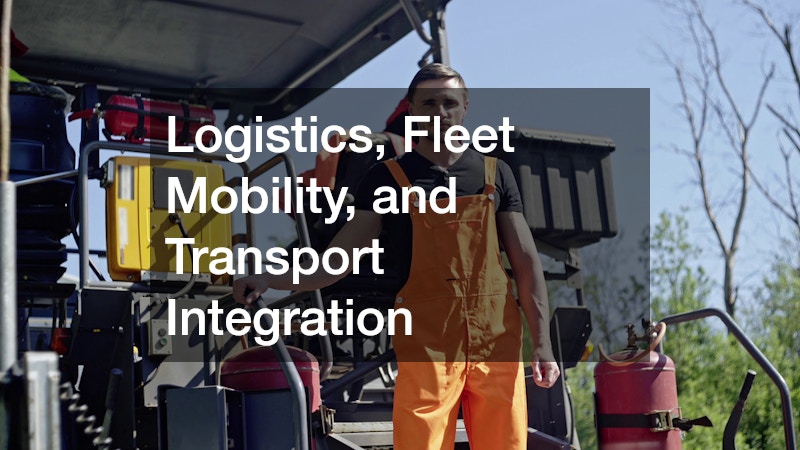
Heavy machinery is useless if it cannot be safely, legally, and efficiently moved between jobsites or transport yards. Evaluating a supplier’s transport integration capabilities ensures your machinery moves seamlessly across regional boundaries without running afoul of transport regulations or suffering structural damage during transit. Managing heavy equipment logistics requires specialized knowledge of axle weight distributions, height clearances, route permits, and load-securing standards.
Streamlining site-to-site equipment transfers requires a combination of standardized hardware and strict driver safety protocols.
- Establish clear protocols for load distribution, making sure equipment operators align machine center-of-gravity targets with trailer axle layouts.
- Inspect tie-down points, D-rings, and deck materials to prevent lateral shifting during high-speed highway travel or abrupt stopping events.
- Maintain a comprehensive schedule of state and municipal permit requirements, route restrictions, and pilot-car thresholds for oversized loads.
- Train field personnel on secure loading procedures, emphasizing proper engine cool-down, articulation locking pins, and boom-lowering steps.
When machines are deployed across remote infrastructure sites, field crews require dedicated travel equipment to support machinery setup, fuel delivery, and daily operational checks on the go. High-grade auxiliary fuel cells, mobile grease units, and compact site support trailers ensure that your primary assets stay powered and lubricated without wasting fuel traveling back to a central staging yard. Integrating robust support hardware directly into your mobile logistics pipeline keeps site productivity high regardless of location.
A high-caliber supplier must also serve as a dependable partner for unexpected machine recovery and heavy vehicle transport. Evaluating a potential towing equipment supplier ensures that, in the event of a catastrophic drive-train failure or rollover in rough terrain, the vendor can dispatch high-capacity rotators, heavy recovery winches, and low-boy transport units tailored to your largest fleet class. Partnering with a recovery specialist who understands proper rigging points prevents costly frame distortion or hydraulic system damage during emergency extractions.
Field Operations and Seasonal Adaptability Planning
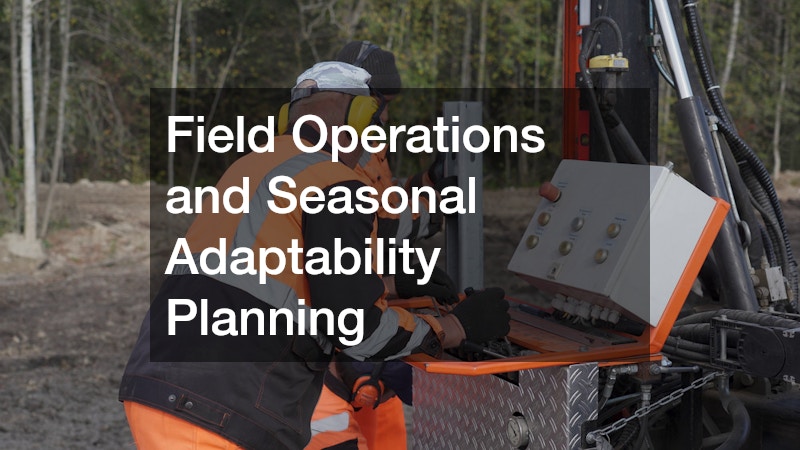
Construction and infrastructure demands fluctuate dramatically throughout the year. Operating heavy machinery across scorching summer heat, heavy rain, and freezing winter conditions requires adaptive maintenance strategies and modular equipment attachments. A partner who understands seasonal operational shifts helps you optimize fleet configurations year-round, converting summer earthmoving units into winter utility machines and keeping revenue streams active across every month.
Preparing a heavy equipment fleet for harsh winter operational conditions involves a comprehensive overhaul of fluids, thermal management systems, and ground engagement tools.
- Flush and replace cooling systems with broad-range antifreeze, testing thermal protection points to prevent engine block cracking in sub-zero weather.
- Inspect and upgrade battery banks, starter motors, and block heaters to guarantee reliable engine ignition during severe cold snaps.
- Change hydraulic fluids and engine oils to low-viscosity, cold-weather formulations to reduce system operating pressures during cold starts.
- Install cab enclosure insulation, high-output HVAC systems, and heated wiper blades to maintain operator comfort, clear visibility, and jobsite safety.
Municipal works departments and commercial contractors operating in snow-prone regions rely heavily on fast machinery conversions. Sourcing durable, high-performance snow plow equipment with heavy-duty trip-edge mechanisms, reversible moldboards, and custom hitch mounts allows wheel loaders, motor graders, and service vehicles to clear roadways efficiently without risking structural damage from hidden obstacles. A knowledgeable supplier ensures these severe-service attachments integrate smoothly with your machine’s primary auxiliary hydraulic valves and electrical controls.
Beyond seasonal attachments, field operations rely on fully optimized support vehicles to deliver daily field service and preventive maintenance. Equipping your support fleet with customized, high-durability truck equipment, including service bodies, hydraulic air compressors, lube systems, and heavy-duty tool storage, turns standard utility chassis into high-efficiency mobile repair hubs. A supplier with specialized truck upfitting capabilities ensures that field mechanics have immediate, organized access to every tool and fluid needed to maintain jobsite productivity.
Sustainability, Machine Restoration, and Environmental Compliance
Modern fleet management is no longer strictly about mechanical output and horsepower. Strict environmental regulations, corporate sustainability goals, and rigorous municipal jobsite audits require fleet operators to control noise levels, prevent chemical leaks, manage hazardous waste, and extend the usable life of heavy assets through sustainable restoration practices. A forward-thinking equipment supplier provides the tools, coatings, and environmental systems necessary to keep your fleet fully compliant with changing ecological standards.
Restoring aging assets through systematic remanufacturing and surface protection is one of the most effective ways to lower long-term capital costs while reducing environmental impact.
- Conduct non-destructive structural testing, using ultrasonic or magnetic particle inspection to spot hidden frame stress cracks before failure.
- Strip degraded paint, grease, and surface oxidation down to base metal using eco-friendly media blasting systems.
- Rebuild major powertrain components, such as engines, transmissions, and final drives, to OEM specifications using remanufactured parts.
- Upgrade operator stations with ergonomic seating, updated electronic display controls, and modern safety guarding.
Protecting machine structures from severe environmental corrosion requires advanced surface treatment technology. Applying industrial-grade equipment painting systems using high-solids polyurethanes, epoxies, and rust-inhibiting primers seals structural steel against moisture, road salts, acidic soil, and aggressive chemical runoff. Beyond protecting structural integrity, maintaining clean, professionally finished machinery projects an image of operational excellence to clients, regulatory inspectors, and the public.
Concurrently, managing jobsite environmental compliance requires dedicated equipment designed to capture, contain, and process waste materials created during demolition, excavating, and site clearing. Installing specialized recycling system equipment on active sites allows contractors to crush concrete, screen topsoil, and process wash-water runoff directly on-location. This approach minimizes off-site haulage emissions, drastically cuts dumping fees, and creates reusable raw materials for backfilling and base stabilization.
Total Cost of Ownership Analysis and Contract Negotiations
The final phase of selecting a machinery support and repair vendor involves conducting a clear-eyed financial analysis and structuring clear, enforceable contracts. Looking strictly at the initial purchase price or basic hourly labor rates is a recipe for financial frustration. A true evaluation measures the Total Cost of Ownership over the entire service life of the machine, factoring in depreciation, fuel efficiency, maintenance costs, component wear rates, and final resale value.
Calculating the true lifetime financial impact of a machinery investment requires analyzing several distinct cost categories over time.
- Purchase price or lease financing terms, including interest rates, down payments, and residual value targets.
- Expected fuel consumption rates under various load conditions, backed by machine telematics data.
- Scheduled preventive maintenance costs, including filters, fluids, routine inspections, and minor wear items.
- Projected wear-part replacement intervals for tires, tracks, undercarriage components, and ground-engaging edges.
- Unscheduled downtime cost estimates, based on vendor service response times and loaner machine availability.
When drafting long-term service level agreements with your chosen supplier, ensure that performance standards are clearly defined and tied to concrete metrics. Insist on explicit guaranteed response times for field service calls, designated turnaround windows for major shop overhauls, and strict performance metrics for parts delivery. Including provisions for guaranteed loaner machines or rental credits if a primary asset remains down beyond an agreed-upon timeframe holds the supplier accountable for keeping your operations moving.