


The incredible excitement of finally purchasing a vessel and envisioning stress-free weekends on the water is a feeling unlike any other. For many, stepping onto the deck of their very own vessel represents the culmination of years of hard work and dreaming. However, it is entirely normal for that initial euphoria to be quickly followed by a wave of overwhelm. Navigating the logistics of storage, legal compliance, safety regulations, and mechanical upkeep can feel like learning a completely foreign language for first-timers. Your feelings of apprehension are valid; the aquatic environment is unforgiving, and the learning curve is steep.
Successful ownership does not just happen by chance, nor does it rely on good luck. It requires a highly proactive approach to safety protocols, infrastructure planning, and rigorous routine upkeep. A little preparation before you hit the water prevents ruined weekends, expensive repairs, and dangerous situations.
This comprehensive guide is designed to transform you from an anxious buyer into a confident captain. We will walk you through the entire process, starting with finalizing the purchase and outfitting your cabin, moving through the construction of a safe and durable waterfront setup, and concluding with establishing a bulletproof mechanical care routine that will protect your investment for decades to come.
Execute the Purchase and Finalize Legalities

The transition from shopping to official ownership requires careful attention to detail. Skipping steps during the finalization process can lead to mechanical headaches and legal trouble down the line. You must treat the purchase and registration process with the same seriousness as buying a piece of real estate.
-
Conduct a Rigorous Sea Trial Before Signing
Testing the vessel on the water, rather than just admiring it on a trailer in a showroom, is absolutely non-negotiable. During the sea trial, you need to pay attention to how the vessel handles under load. Listen to the engine when accelerating; it should be a smooth transition without hesitation or sputtering. Check the steering wheel for excessive play or stiffness, which could indicate hydraulic issues. Reputable boat dealers will always encourage a comprehensive sea trial for a brand-new buyer because they want you to be confident in the vessel’s capabilities and current condition. Test all the electronics, bilge pumps, and navigation lights while you are out on the water.
-
Register the Vessel and Display Identification Properly
Just like an automobile, your vessel must be legally registered with your state’s Department of Motor Vehicles or equivalent wildlife and boating agency. Upon registration, you will be issued a state-specific registration number that must be prominently displayed on both the port and starboard sides of the bow. Ordering custom boat decals allows you to remain compliant with strict size and spacing regulations while seamlessly matching your vessel’s aesthetic and color scheme. Ensure you also keep the physical registration card onboard in a waterproof container at all times.
-
Secure Comprehensive Marine Insurance
Never assume that your standard homeowner’s policy will adequately cover your new vessel. You need specialized marine insurance that accounts for the unique risks of the water. Look for policies that offer “agreed value” rather than “actual cash value” so you are not penalized by depreciation if a total loss occurs. Furthermore, ensure your policy includes on-water towing, salvage coverage (in case the vessel sinks and needs to be recovered), and environmental liability coverage to protect you financially if your vessel accidentally leaks fuel or oil into a public waterway.
Maximize Cabin Comfort and Safety Readiness
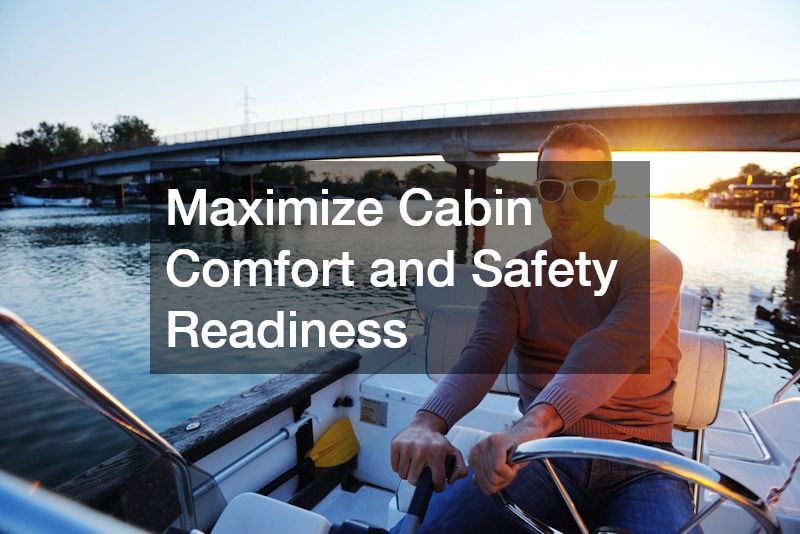
Once the paperwork is signed, your attention must turn to the interior of the vessel. A well-outfitted cabin is not just about luxury; it is fundamentally about the safety and comfort of everyone you invite onboard.
-
Audit Your Coast Guard-Mandated Safety Gear
The water does not care about your experience level, which is why federal and state regulations mandate specific safety equipment. You must have a properly sized, U.S. Coast Guard-approved life jacket for every single passenger onboard, and they must be easily accessible, not buried under heavy bags. Additionally, you are required to carry a Type IV throwable flotation device (like a ring buoy or seat cushion). Check the expiration dates on your distress flares annually, ensure your marine fire extinguishers are fully charged and mounted near the helm, and verify that your sound-producing device, such as a whistle or air horn, is loud and functioning.
-
Upgrade Subpar Seating for Long-Term Durability
The marine environment is incredibly harsh. Constant exposure to punishing ultraviolet rays, salt spray, and moisture will quickly destroy cheap upholstery, leaving you with cracked, moldy, and uncomfortable seats. If the factory seating on a used vessel is lacking, you should consider upgrading it. Working directly with a specialized boat furniture manufacturer ensures you get high-density foam and marine-grade vinyl that is specifically treated to resist mildew, fading, and cracking over time. High-quality seating transforms a punishing ride across choppy water into a comfortable, enjoyable experience for your guests.
-
Organize Dry Storage and Weight Distribution
How you pack the cabin directly affects how the vessel performs on the water. If you place all heavy coolers, anchors, and gear on one side, the vessel will list (lean), making it difficult to steer and less fuel-efficient. Distribute heavy items evenly between the port and starboard sides, and keep the heaviest gear low and near the center of the vessel to lower the center of gravity. Invest in heavy-duty dry bags to store towels, changes of clothes, and electronic devices, ensuring they remain protected even if a stray wave splashes over the bow.
Construct a Durable and Weather-Resistant Pier
If you own waterfront property, your infrastructure is just as important as the vessel itself. The right pier setup ensures safe boarding for your family and protects your vessel from shoreline hazards.
-
Evaluate Your Shoreline’s Topography and Bottom Conditions
Before installing any infrastructure, you must assess the environment beneath the water’s surface. A shallow, muddy lakebed requires a completely different support system than a deep, rocky drop-off. For property owners dealing with relatively stable water levels and a firm lakebed, stationary aluminum docks offer an incredibly durable, rust-proof, and low-maintenance solution. Unlike traditional wooden piers that splinter, rot, and require annual staining, modern metal configurations can withstand harsh weather and intense sun exposure without degrading.
-
Account for Seasonal Water Level Fluctuations
One of the most frustrating experiences for waterfront owners is dealing with a pier that is either completely submerged during spring floods or left hovering several feet above the water during late-summer droughts. If your lake or river experiences significant seasonal water drops or tidal changes, you need a flexible system. Utilizing aluminum rolling docks allows you to easily wheel the entire structure in and out of the water as the shoreline changes. This adaptability ensures that your vessel is always accessible and that your pier does not become damaged by shifting ice or rising floodwaters.
-
Design for Safe Passenger Boarding
Your pier must be designed with the most vulnerable passengers in mind. Children, elderly guests, and pets need a stable, slip-resistant surface to walk on. Choose decking materials that offer high traction even when soaking wet, and ensure the pier is wide enough to accommodate people carrying coolers and gear without feeling cramped. Install sturdy handrails if there is a steep transition from the land to the pier, and securely mount heavy-duty cleats along the edge for safe and easy mooring.
Secure the Perimeter to Prevent Physical Damage
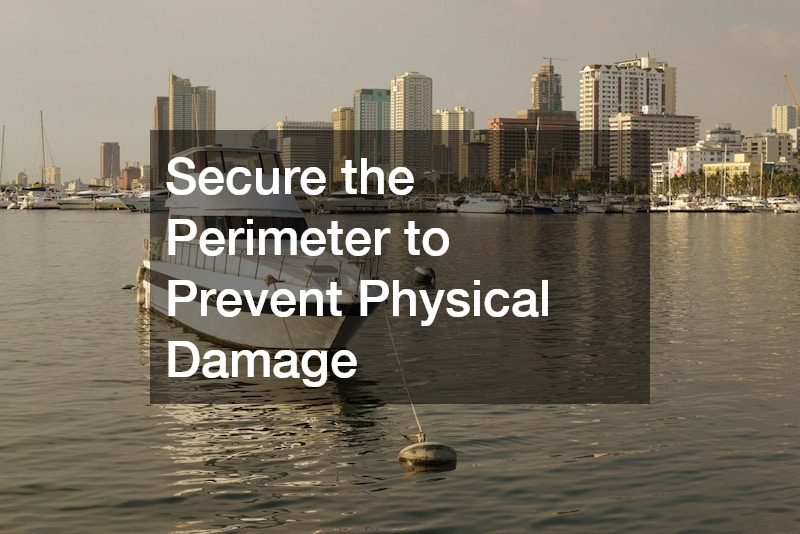
The constant motion of wind, waves, and passing wakes means your vessel is never truly still, even when tied up. Without proper protection, the hull will repeatedly grind against the hard edges of your pier, leading to devastating structural and cosmetic damage.
-
Install High-Quality Bumpers and Mooring Whips
You cannot rely solely on the small fenders you hang over the side of the vessel. To truly protect your investment, the pier itself must be heavily padded. Outfitting your setup with premium boat dock supplies, such as thick corner bumpers, heavy-duty edge extrusions, and shock-absorbing mooring whips, creates a soft, forgiving barrier. Mooring whips act like flexible fishing poles that pull the vessel safely away from the pier’s edge, preventing contact entirely when heavy wakes roll through your cove.
-
Keep the Hull Completely Out of the Water
Leaving a vessel submerged for the entire season is one of the fastest ways to destroy it. Constant water exposure leads to fiberglass blistering, severe algae and barnacle growth, and galvanic corrosion that eats away at your underwater metal components. To preserve the hull’s integrity and maximize your resale value, you must elevate the vessel when it is not in use. Investing in robust boat lift products—whether they are hydraulic, pneumatic, or cable-driven—allows you to easily raise the vessel high and dry, keeping it clean, secure, and ready for immediate use the next time you want to hit the water.
Maintain Your Waterfront Hardware Properly
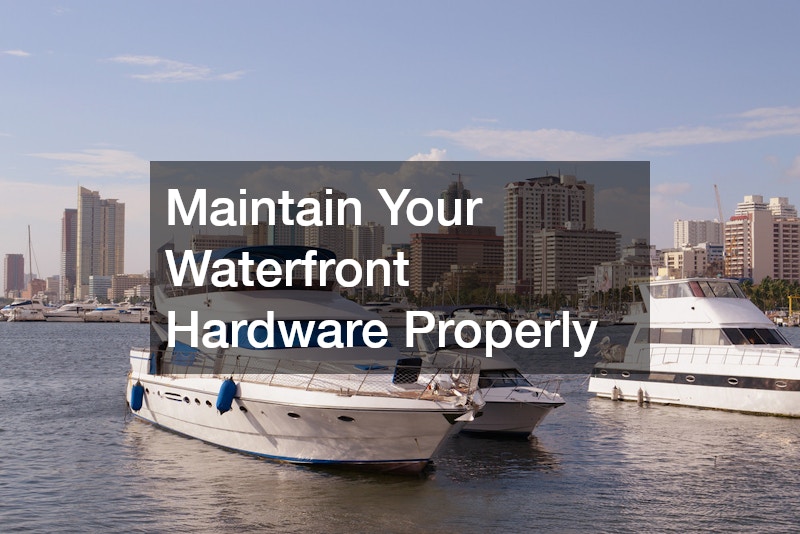
Elevation systems and waterfront machinery operate in incredibly harsh, wet environments. Neglecting their maintenance is not just expensive; it is a massive safety hazard that can lead to catastrophic failures.
-
Inspect Cables and Pulleys for Fraying Regularly
The stainless steel cables that hoist your vessel carry thousands of pounds of tension. Over time, these cables can wear down, rust, or become misaligned on their spools. Once a month, you must visually inspect the entire length of the cables for any broken strands, burrs, or severe rust spots. If a cable snaps while the vessel is suspended, it will drop violently, potentially destroying the hull and injuring anyone standing nearby. Keep the pulleys heavily greased to prevent friction and ensure the system operates smoothly and quietly.
-
Schedule Annual Professional Inspections
While visual checks are important, complex hoisting mechanisms require expert calibration. Before the peak season begins, it is highly recommended to hire a professional boat lift service to conduct a thorough evaluation of the entire system. These technicians will check the motor housing for water intrusion, verify that the structural cradle is perfectly level, and ensure that the electrical wiring connecting the system to your shore power is safely insulated and free from corrosion.
-
Winterize Your Elevation Systems Before Freezing Temperatures
If you live in a climate that experiences freezing winters, expanding ice can easily crush heavy metal frames and destroy submerged machinery. Before the first freeze, you must winterize your waterfront setup. This often involves removing electric motors and storing them indoors, securing loose cables, and in some cases, partially dismantling or raising the cradle structure high enough to avoid moving ice floes.
Commit to a Strict Mechanical Care Schedule
A stranded vessel is incredibly dangerous. Unlike a car that can pull over to the side of the highway, a broken-down vessel leaves you at the mercy of the wind, currents, and incoming weather. Relentless preventative maintenance is your best defense against on-water emergencies.
-
Flush the Cooling System After Every Single Outing
Marine engines utilize the water they are floating in to keep cool. If you operate in saltwater, brackish water, or muddy lakes, that corrosive material sits inside your engine block after you turn the key off. You must flush the engine with clean, fresh water using a hose and motor “earmuffs” after every single trip. Running fresh water through the system for ten minutes dissolves salt crystals and flushes out abrasive sand, drastically extending the life of your internal cooling passages and thermostats.
-
Check the Propeller and Lower Unit Fluid Frequently
Your propeller and lower gear unit take a massive beating. Before launching, inspect the propeller for dents or bent blades, which can cause severe vibrations that damage engine seals. Carefully look behind the propeller for tangled fishing line; fishing line can easily slice through the rubber seals, allowing water to flood into the gearbox. Periodically check the lower unit gear lube; if the oil looks milky or frothy, water has intruded, and you must have it repaired immediately before the gears tear themselves apart.
-
Keep a Trusted Marine Mechanic on Speed Dial
During the peak summer months, marine repair shops are overwhelmed with work, and wait times can stretch for weeks. You do not want to be searching for a mechanic when you are already dealing with a major breakdown. Establish a relationship early by scheduling routine boat services, such as your 20-hour break-in oil change, fuel filter replacements, and annual winterization. By becoming a loyal, regular customer for standard maintenance, you ensure that if you do experience a catastrophic failure, you already have a reliable boat engine repair service ready to prioritize your vessel and get you back on the water quickly.
Conclusion
Taking ownership of a new vessel is a thrilling milestone that opens the door to endless weekend adventures, family bonding, and peaceful days on the water. However, the realities of maritime environments require a serious, methodical approach to safety and upkeep. The steep initial learning curve is simply the price of admission for the freedom that comes with navigating the open water.
By systematically addressing each phase of ownership, you remove the stress and unpredictability from the equation. Validating your paperwork keeps you legally protected, while outfitting your cabin with the proper safety gear ensures you can handle emergencies with a clear head. Building a robust waterfront infrastructure and elevating your vessel protects your massive financial investment from physical damage, and adhering strictly to a mechanical maintenance schedule guarantees that your engine will fire up every time you turn the key.
Take this checklist, print it out, and tackle it one step at a time. Do not rush the process. Putting in the hard work, planning, and preparation right now guarantees that your time on the water will be spent exactly as you envisioned: safely, comfortably, and joyfully with the people who matter most.