


Making the decision to transition an aging parent, spouse, or loved one out of their lifelong home is rarely a simple, purely logistical choice. It is a transition laden with a profound, often overwhelming emotional weight. For decades, their home has been the physical anchor of your family’s history—the place where holidays were celebrated, where children were raised, and where countless memories were woven into the very fabric of the walls. Acknowledging that this environment is no longer safe or sustainable brings forth a complex storm of emotions. Family members frequently grapple with deep-seated guilt, persistent anxiety about the future, and an overwhelming love that drives the desire to do what is absolutely best for the senior’s well-being. It is entirely normal to feel paralyzed by the sheer magnitude of the decisions that lie ahead.
However, the core message you must internalize is that preparation, education, and logical planning are the ultimate antidotes to the stress of this life-altering transition. Too often, families delay these difficult conversations until a catastrophic event forces their hand—a devastating fall in the middle of the night, a severe medical emergency, or a sudden, frightening wandering incident. When decisions are made in the chaotic midst of a crisis, you are stripped of your ability to thoroughly research your options, negotiate financial terms, or properly prepare your loved one for the change. By acting proactively, you reclaim control. Making decisions thoughtfully and deliberately, while your loved one can still participate in the process, ensures a significantly better quality of life and preserves their dignity.
This comprehensive guide is designed to serve as your roadmap through the intricate landscape of elder care and relocation. Over the course of the following sections, we will walk step-by-step through the entire process. We will begin by objectively assessing your loved one’s physical and cognitive needs to determine the appropriate level of support. From there, we will explore how to rigorously vet potential properties, decode the complex financial structures of long-term care, ruthlessly yet respectfully downsize a lifetime of possessions, and finally, execute a safe, highly organized, and tear-free relocation day. By following this structured approach, you can navigate this journey with confidence and grace.
Assessing the Level of Daily Support Needed

The foundation of a successful transition lies in making a brutally honest, objective assessment of your loved one’s current health, mobility, and cognitive function. This is often the most difficult step for families, as the gradual decline of an aging parent can be hard to notice when you interact with them daily, or it can be deliberately hidden by a senior who fiercely fears losing their independence. To ensure you select the appropriate environment, such as a general senior living facility for someone who just needs minor assistance versus a highly specialized environment, you must look closely at their daily routines. Understanding the exact nature of the support they require prevents the dangerous scenario of placing them in an environment that either strips them of their remaining independence too quickly or fails to provide the safety nets they desperately need.
-
Evaluate Daily Activities and Mobility Challenges
Medical professionals evaluate independence using a metric known as the Activities of Daily Living (ADLs) and Instrumental Activities of Daily Living (IADLs). You must conduct your own informal audit of these activities. Can your loved one safely navigate their bathroom, step over the edge of the bathtub, and maintain their personal hygiene without the risk of slipping? Are they physically capable of dressing themselves in weather-appropriate clothing? Pay close attention to their nutritional habits; look inside their refrigerator for expired food, which often indicates that cooking has become too exhausting or confusing. Furthermore, assess their ability to manage their own medication. Finding dropped pills on the floor or noticing that a weekly pill organizer is untouched are massive red flags that their current living situation is no longer viable without continuous, professional oversight.
-
Recognize the Early Warning Signs of Cognitive Decline
Physical decline is only half of the equation; assessing cognitive health requires a nuanced, highly observant approach. It is crucial to understand the distinct difference between normal, age-related memory lapses and the severe decline associated with dementia or Alzheimer’s disease. Normal aging might involve occasionally forgetting the name of an acquaintance or misplacing reading glasses. However, if your loved one is getting lost driving on familiar routes they have taken for twenty years, leaving the stove burners ignited after cooking, or exhibiting sudden, uncharacteristic bursts of aggression and paranoia, you are witnessing severe cognitive impairment. When these symptoms manifest, standard care is no longer sufficient, and you must actively begin exploring comprehensive memory care services that provide specialized therapeutic programming and secure environments designed specifically to protect residents from the dangers of wandering and confusion.
Touring and Evaluating Care Homes

Once you have a clear, documented understanding of the level of care your family member requires, the next critical phase is vetting potential properties. The elder care landscape is incredibly diverse, ranging from small, residential board-and-care homes to sprawling, resort-style campuses. Marketing brochures and professionally curated websites are designed to highlight a property’s best features, often showcasing smiling actors and pristine dining rooms. However, your job is to look past the glossy marketing materials and evaluate the actual, day-to-day reality of the care being provided. Whether you are touring vibrant assisted living communities designed for active seniors or evaluating specialized memory care facilities for a loved one with Alzheimer’s, conducting a thorough, critical inspection is the only way to ensure their future safety and happiness.
-
Schedule Unannounced Visits During Meal Times
While it is necessary to schedule an initial, official tour with the sales director to view floor plans and discuss pricing, your most valuable insights will come from a secondary, unannounced visit. Plan to drop by the community during the lunch or dinner hour. Meal times are the ultimate stress test for a care home. This is when the majority of the residents are gathered in one place, allowing you to observe the social dynamics and the true staff-to-resident ratio. Are the residents actively engaging with one another, or are they sitting silently in wheelchairs staring at the walls? Observe how the staff interacts with residents who need help cutting their food or who spill a drink. The patience, warmth, and efficiency demonstrated by the staff during the chaotic dining rush will tell you far more about the culture of the community than a rehearsed sales pitch ever could.
-
Interview the Direct Care Staff Instead of Just the Sales Director
The community relations director giving you the tour is a trained sales professional whose primary goal is to maintain high occupancy rates. While they can answer logistical questions, the people who will actually dictate your loved one’s daily quality of life are the direct care staff—the nurses, the medication technicians, and the certified nursing assistants (CNAs). While walking the halls, make a point to stop and speak directly with these individuals. Ask them how long they have worked at the property. High staff turnover is one of the most glaring red flags in the elder care industry; it indicates burnout, poor management, and ultimately leads to inconsistent, compromised resident care. Conversely, a building filled with caregivers who have been employed there for years is a strong indicator of a healthy, supportive work environment that translates directly into compassionate care.
-
Inspect the Cleanliness of Common Areas and Private Bathrooms
A superficial visual sweep of the grand lobby is not enough to determine the cleanliness of a building. You must engage all of your senses and look closely at the details. When you enter the building, is there a lingering, underlying odor of urine or strong chemical masking agents? This suggests that housekeeping is merely covering up issues rather than addressing the root causes of incontinence accidents. Ask to see a resident bathroom in one of the common areas, not just the pristine model apartment. Check if the trash cans are overflowing, if the floors are sticky, and most importantly, if the grab bars and safety rails are securely fastened to the walls. A facility that neglects basic hygiene and safety maintenance in its public restrooms is highly likely to cut corners in the private, unseen areas of resident care as well.
Financial Planning and Understanding Costs

Transitioning a family member into long-term care is one of the most significant financial undertakings a family will ever face. The sheer cost can be staggering, and the pricing models used by the industry are notoriously complex and difficult to decipher. Failing to fully grasp the financial obligations upfront can lead to devastating consequences, including the sudden eviction of a senior if their funds run dry. Navigating this landscape requires absolute transparency, meticulous budgeting, and an aggressive pursuit of all available funding streams. You must move beyond the advertised “base rent” of various senior living facilities and dig deeply into the fine print of the residency contracts to understand exactly what you are paying for, how prices will inflate over time, and how to protect your family’s generational wealth.
-
Decode the Base Rate Versus A La Carte Care Charges
One of the most common, and costly, mistakes families make is assuming that the monthly price quoted by assisted living centers covers everything their loved one will need. The reality is that the vast majority of properties operate on a tiered pricing model. The base rate typically covers only the physical real estate—the apartment, basic utilities, three meals a day, and access to common areas. The actual hands-on medical and personal care is billed separately. If your parent needs help showering twice a week, requires a nurse to manage and dispense their daily medications, or needs an escort to walk them down to the dining room, you will be charged a supplementary “level of care” fee. These a la carte charges can easily add thousands of dollars to your monthly invoice. You must demand a comprehensive assessment of your loved one before signing a contract to get a precise, legally binding estimate of their total monthly cost.
-
Consult an Elder Care Attorney to Protect Your Assets
Do not attempt to navigate the legal and financial complexities of elder care using free internet advice. Long before you begin liquidating a house, selling off stock portfolios, or emptying savings accounts to pay for care, you must consult with a certified elder law attorney. These highly specialized legal professionals can help you establish durable powers of attorney for both healthcare and finances, ensuring you have the legal authority to act on your parent’s behalf when they no longer can. Furthermore, an attorney can guide you through the incredibly strict rules of Medicaid “spend-down” requirements. They can establish specialized trusts that legally protect a portion of the family’s assets, ensuring that a lifetime of hard-earned savings is not entirely wiped out by a few years of medical expenses, while still qualifying the senior for government assistance when necessary.
-
Explore Veteran Benefits and Long-Term Care Insurance
Before paying entirely out of pocket, you must exhaust every possible avenue for financial assistance. If your loved one, or their deceased spouse, served in the military during a period of active conflict, they may be eligible for the Department of Veterans Affairs’ Aid and Attendance benefit. This is a massive, widely underutilized pension program that provides significant tax-free monthly payments directly to veterans and surviving spouses who require the aid of another person to perform daily activities. Additionally, scour your parent’s financial records to see if they purchased a long-term care insurance policy decades ago and forgot about it. These policies are specifically designed to cover the exorbitant costs of facility care, but the claims process is notoriously bureaucratic. Initiating the paperwork and triggering the elimination periods on these policies months before the actual move is essential to ensuring the funds flow when you need them.
Downsizing Decades of Belongings

Once the care home is selected and the finances are secured, families are confronted with the most physically exhausting and emotionally draining phase of the process: downsizing. Transitioning from a sprawling, four-bedroom family home into a compact, one-bedroom or studio apartment is a monumental logistical challenge. A house is not merely a container for objects; it is a museum of a person’s life. Every closet, basement, and attic holds decades of accumulated memories, paperwork, and sentimental artifacts. Attempting to sort through a lifetime of belongings requires a delicate balance of ruthless physical organization and deep emotional empathy. Because the physical space constraints of assisted living facilities are strict, you must help your loved one decide what is truly essential to their comfort and what must be let go.
-
Start Sorting at Least Three Months Before the Transition Date
The cardinal rule of downsizing is that it will always take three times longer than you anticipate. If you attempt to condense a forty-year household into a weekend project, the sheer exhaustion and emotional overload will lead to intense family arguments and rash, regretful decisions. You must implement a strict timeline, starting the sorting process a minimum of three months before the transition date. Break the house down into highly manageable, bite-sized projects. Dedicate one entire Saturday strictly to the guest bedroom closet, and the next weekend solely to the kitchen cabinets. By pacing the project, you allow your loved one the necessary time to process their emotions, reminisce over found photographs, and gently accept the reality of the transition without feeling like their life is being abruptly erased and thrown into garbage bags.
-
Use a Floor Plan to Determine What Furniture Will Actually Fit
Seniors often struggle to visualize the drastic reduction in their living space. To prevent the heartbreaking scenario of arriving on moving day only to realize their beloved dining hutch will not fit through the door, you must use concrete visual aids. Obtain a precisely scaled floor plan of the new apartment. Go into your parent’s current home with a tape measure and a roll of blue painter’s tape. Measure their favorite recliner, their nightstand, and their bed, and then tape out those exact dimensions on the floor to simulate the new apartment’s layout. This physical demonstration makes it undeniably clear exactly which items can safely transition and which items pose a dangerous tripping hazard in a smaller space. For the heavy lifting of the items that do make the cut, it is imperative to hire a reputable local mover rather than risking severe back injuries attempting to haul oak furniture down flights of stairs yourself.
-
Gift Sentimental Items Now Instead of Waiting
One of the primary reasons seniors hoard objects is the belief that they must hold onto family heirlooms to pass them down in their will. You can reframe this narrative by encouraging them to experience the joy of gifting these items while they are still alive. This concept, often associated with the practical philosophy of “Swedish death cleaning,” is incredibly liberating. Encourage your parent to personally hand down the antique china set, the vintage jewelry, or the collection of classic novels to their grandchildren right now. This allows the senior to share the rich history and the stories behind the objects, ensuring the legacy is passed on verbally. Seeing their loved ones enthusiastically receive and appreciate these items makes it significantly easier for the senior to let go of the physical clutter, turning a loss into a beautiful moment of familial connection.
Executing a Stress-Free Relocation Day
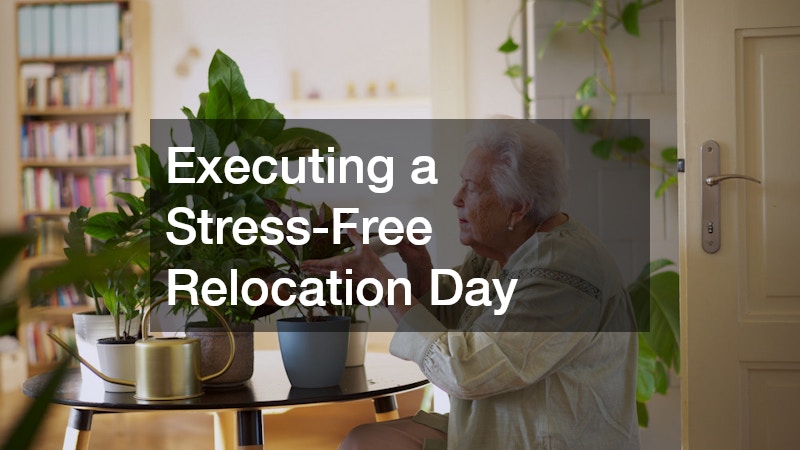
After months of meticulous planning, financial negotiations, and emotional downsizing, the actual day of the move finally arrives. Moving day is notoriously fraught with high anxiety, physical hazards, and tearful goodbyes. The senior is stepping out of their comfort zone forever, and the family is exhausted from the logistical heavy lifting. The goal of this day is absolutely not to save a few dollars on labor; the goal is to execute the transition as smoothly, safely, and calmly as humanly possible. This means outsourcing the physical chaos so that the family can focus entirely on the emotional well-being of the senior. By utilizing professional moving companies and strictly managing the flow of the day, you can mitigate the trauma of the transition and help your loved one step into their new life with dignity and a sense of security.
-
Pack an Unpacking Box With First-Night Essentials
No matter how organized the professionals are, the new apartment will likely be a maze of cardboard boxes on the first night. To prevent panic and frustration as the sun goes down, you must pack a highly visible “first-night essentials” box, or a large suitcase, that stays with you at all times. This container should hold everything your loved one needs to comfortably survive the first 24 hours without having to slice open a single taped box. Include a change of comfortable clothes, pajamas, basic toiletries, a roll of toilet paper, necessary medical supplies, their phone charger, and familiar snacks. Most importantly, pack their favorite blanket, their preferred coffee mug, and a framed family photograph to immediately place on their nightstand. Having these familiar, comforting touchstones instantly accessible makes the stark, unfamiliar room feel like home on that critical first night.
-
Keep Medications and Important Documents in Your Personal Vehicle
When the massive moving trucks arrive, the pace of the day accelerates rapidly. In the rush to load the vehicle, it is incredibly easy for critical items to accidentally end up buried beneath a stack of mattresses in the back of a commercial truck. You must enact a strict quarantine protocol for irreplaceable items. Gather all of your loved one’s daily prescription medications, their hearing aids, their eyeglasses, and their legal paperwork—including their ID, insurance cards, and the newly signed residency contracts. Place all of these items, along with any highly valuable, irreplaceable jewelry, securely in the trunk of your personal vehicle before the laborers even cross the threshold of the house. You cannot risk a vital heart medication being lost in transit or accidentally unloaded into the wrong room by a hurried worker.
-
Focus Your Energy on Emotional Support Rather Than Heavy Lifting
The most valuable role a family member can play on moving day is that of an emotional anchor, not a manual laborer. If you are sweating, stressed, and screaming instructions at people carrying couches, your loved one will internalize that chaos and become highly agitated. This is exactly why you invested in a comprehensive moving service. Let the insured professionals handle the physical logistics of loading, driving, and assembling the furniture. Your sole responsibility is to stay by your loved one’s side. Take them out for a quiet breakfast while the house is being loaded. When you arrive at the new community, focus on orienting them to their new surroundings. Walk them to the dining hall, introduce them to the nursing staff and their new neighbors, and help them hang pictures on the wall. By acting as a calm, reassuring presence, you validate their fears while simultaneously showing them that they are safe and profoundly loved in this new chapter.
Conclusion
Transitioning an older adult into a care community is a monumental life event. It is a marathon that demands exhaustive logistical planning, sharp financial acumen, and an incredibly deep well of emotional empathy. By treating this process as a structured journey rather than a reactive scramble, you protect your family’s assets, ensure your loved one receives the precise level of care they require, and significantly reduce the trauma of leaving a lifelong home.
It is vital to set realistic expectations for the aftermath of the move. Reassure yourself and your family that an adjustment period is inevitable. It typically takes a senior 30 to 90 days to fully acclimate to their new environment, learn the daily rhythms of the community, and begin forming friendships. During this initial phase, early complaints, confusion, or tearful phone calls are completely normal and should be met with patience rather than panic. Do not second-guess your decision based on a difficult first week.
Ultimately, remember that making this incredibly difficult transition serves a beautiful, restorative purpose. By handing over the exhausting, round-the-clock burdens of medication management, hygiene assistance, and household maintenance to trained professionals, you are given a profound gift. You are finally able to step out of the stressful role of a full-time medical caregiver and step back into your rightful role as a loving son, daughter, or spouse. You can visit to share stories, enjoy a meal, and simply cherish your time together, knowing they are safe, secure, and well-cared for.