


There is a distinct, almost indescribable feeling that comes with walking into a home that was designed specifically for you. The light hits the living room exactly how you imagined it would during your morning coffee. The flow from the kitchen to the dining area accommodates your specific style of entertaining, whether that is intimate family dinners or large holiday gatherings. The closets are sized for your wardrobe, the outlets are exactly where you need them for your devices, and the mudroom is built to handle your family’s specific gear. This is the promise of a custom build: a living space that is not just a shelter, but a physical extension of your lifestyle, your values, and your aesthetic.
However, the path from a paper napkin sketch to a finished certificate of occupancy is rarely a straight line. It is a marathon of logistics, financial planning, and literally thousands of micro-decisions. For many aspiring homeowners, the process can feel overwhelming. Without a clear roadmap, budget overruns and timeline delays are almost inevitable. The sheer volume of choices—from the type of insulation in the walls to the finish on the cabinet hardware—can lead to decision fatigue.
This guide is designed to serve as that roadmap. We will walk through the critical phases of construction, offering deep dives into the areas that matter most. We will explore how to assemble a team that protects your interests, how to prioritize the invisible structural elements that ensure longevity, and how to select the finishes that turn a house into a home. Whether you are breaking ground on a sprawling estate or a compact modern retreat, the principles of careful planning, expert execution, and future-proofing remain the same.

Curating Your Expert Team
The success of your project rests entirely on the shoulders of the professionals you hire. You are not just hiring laborers; you are hiring partners who will be intimately involved in your life and finances for twelve to twenty-four months. The most critical hire is your general contractor. This individual acts as the conductor of an orchestra. A skilled custom home builder does far more than swing a hammer. They are responsible for the complex logistics of scheduling, permitting, code compliance, and quality control. They translate the architectural drawings into physical reality, managing the inevitable surprises that arise during construction.
When vetting candidates, look beyond the bid price. A low bid often misses critical scope items that will appear later as expensive change orders. Instead, ask for references from clients who have been in their homes for at least three years. This reveals how well the builder’s work stands the test of time and how they handle warranty issues after the final check has cleared.
Key Questions to Ask Potential Partners
- Communication Style: How often do they provide status updates? Do they use project management software that allows you to see the schedule, daily logs, and budget in real time?
- Financial Transparency: Do they operate on a fixed-bid or cost-plus basis? Ensure you understand how their fees are structured and how they handle fluctuating material costs, especially for lumber and commodities.
- Subcontractor Relationships: Do they have a consistent team of tradespeople, or do they bid out every job to the cheapest option? Consistent teams generally produce higher-quality work because they know the builder’s expectations and schedule.
- Insurance and Licensing: Verify that they carry general liability and workers’ compensation insurance. This protects you from lawsuits if a worker is injured on your property.
Your team should also include an architect and potentially an interior designer. Ideally, you should hire the builder and architect simultaneously. When they work together from the design phase, the builder can provide real-time feedback on construction costs. This collaborative approach prevents the heartbreak of designing a home that is beautiful on paper but impossible to build within your budget.

Prioritizing Structural Integrity and Protection
Before you pick out paint colors or light fixtures, you must invest in the “invisible” elements of the home. These are the components that you will never see once the drywall is up, but they determine the health and longevity of the structure. The most formidable enemy of any home is water. Managing how water interacts with your foundation is not a place to save money.
Proper site preparation involves understanding the water table and soil composition. If you are building with a subterranean level, you must insist on high-quality basement waterproofing systems. This goes beyond simple damp-proofing, like spraying a thin tar coating on the concrete. A robust system involves distinct drainage planes, drain tiles (weeping tiles), and sump pumps that actively move water away from the foundation walls. Applying these measures during the excavation phase is a standard line item; having to excavate the perimeter of your finished house five years later to fix a leak is a financial catastrophe that can ruin your landscaping and hardscaping.
The Building Envelope Checklist
- Drainage Boards: Ensure a dimpled drainage board is installed against the concrete. This creates an air gap that relieves hydrostatic pressure, allowing water to flow down to the drain tile rather than pushing through the wall.
- Sill Plates: Check that pressure-treated lumber is used where wood touches concrete and that a sill sealer gasket is installed to prevent air infiltration and capillary action.
- Vapor Barriers: In crawl spaces or under slabs, a heavy-duty vapor barrier prevents ground moisture from wicking up into the living space, which can cause mold and flooring issues.
- Advanced Framing: Discuss 2×6 framing with your team. This allows for deeper wall cavities, which means more insulation and higher R-values, significantly improving energy efficiency.
Additionally, pay close attention to the framing stage. This is the skeleton of your home. Ensure your team uses engineered lumber (LVL or I-joists) for long spans to prevent floor squeaks and drywall cracks as the house settles.
Designing for Comfort and Efficiency
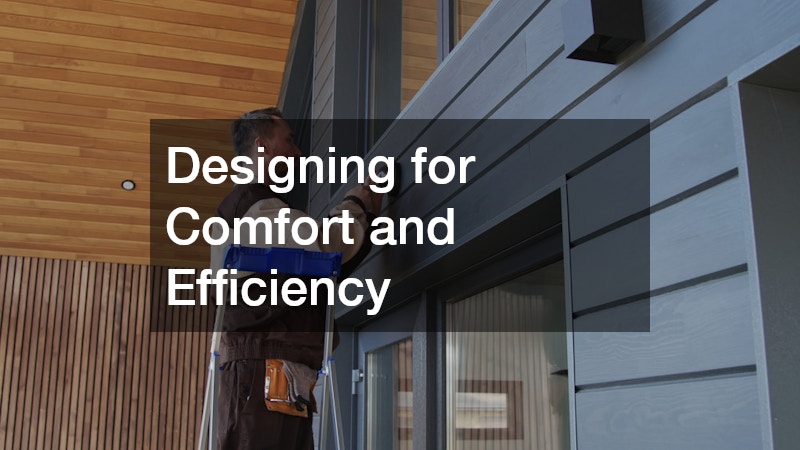
A beautiful home that is uncomfortable to live in is a failure of design. Modern luxury is defined as much by air quality and thermal comfort as it is by aesthetics. As building codes push for tighter, more energy-efficient envelopes, the mechanical systems of the house become more complex. You need a strategy that manages not just temperature, but humidity and fresh air exchange.
The sizing of your HVAC system must be precise. An oversized unit will cool the house too quickly without removing humidity, leading to a clammy, uncomfortable environment. An undersized unit will run constantly, driving up energy bills and wearing out parts prematurely. This is why relying on a specialized heating and air conditioning service is essential. They will perform a “Manual J” load calculation, which considers window direction, insulation values, and local climate data to engineer the perfect system for your specific layout.
Considerations for Modern Mechanical Systems
- Zoning: A two-story home should rarely be on a single thermostat. Zoning allows you to cool the upstairs bedrooms at night without freezing the downstairs kitchen. This can be achieved through multiple units or electronic dampers in the ductwork.
- Fresh Air Exchange: In tightly built homes, stale air can accumulate. An Energy Recovery Ventilator (ERV) or Heat Recovery Ventilator (HRV) brings in fresh outdoor air while pre-conditioning it with the outgoing stale air, maintaining efficiency.
- Filtration: Incorporate HEPA filtration or UV scrubbers into the ductwork to reduce allergens and dust. This is especially important for families with allergies or pets.
- Smart Integration: Smart thermostats are now standard, but consider integrating them into a whole-home automation system that can adjust blinds and fans to passively manage temperature, reducing the load on your mechanical systems.
Beyond HVAC, consider the “guts” of the house. Run conduit pipes from the basement to the attic to make future wiring upgrades easier. Insulate interior walls around bathrooms and laundry rooms to dampen sound. These small details significantly increase the daily livability of the home.
Creating the Heart of the Home
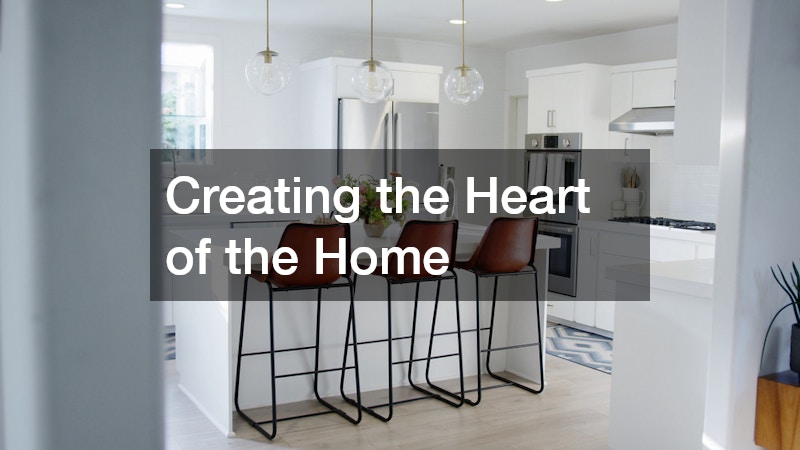
The kitchen is inevitably the gathering point of modern life. In a custom build, you have the opportunity to tailor this space exactly to your culinary and social habits. The “work triangle” (the path between sink, stove, and fridge) is a classic design principle, but modern kitchens often have multiple zones: a prep zone, a cooking zone, and a cleaning zone.
When selecting finishes, you must balance visual impact with extreme durability. This is a workspace, after all. Your choice of kitchen counters will dictate the maintenance regimen for the room. Marble, for instance, offers a timeless, luxurious aesthetic but is porous and prone to etching from acids like lemon juice or red wine. If you are an avid cook who doesn’t want to worry about every spill, engineered quartz or quartzite might be a better option. These materials offer the beauty of stone but are much harder and non-porous.
Optimizing the Kitchen Layout
- The Island: Determine if your island is for prep or dining. If it’s for prep, include a small sink and trash pull-out. If it’s for dining, ensure the overhang is deep enough (at least 15 inches) for comfortable knee space and that the counter height is appropriate for your stools.
- Lighting Layers: You need three types of light. Ambient light (recessed cans) for general illumination, task light (under-cabinet strips) for chopping and reading recipes, and accent light (pendants) for style and mood.
- Walk-in Pantry: A custom pantry allows you to keep small appliances (toaster, blender, coffee maker) off the main counters, keeping the kitchen looking clean and uncluttered. Consider installing a second dishwasher or beverage fridge here for entertaining.
- Cabinetry Hardware: Don’t forget the power of hardware and soft-close mechanisms. These are the tactile points you interact with dozens of times a day. High-quality hinges and drawer slides make the kitchen feel solid and substantial.
Elevating the Wet Rooms and Relaxation Spaces
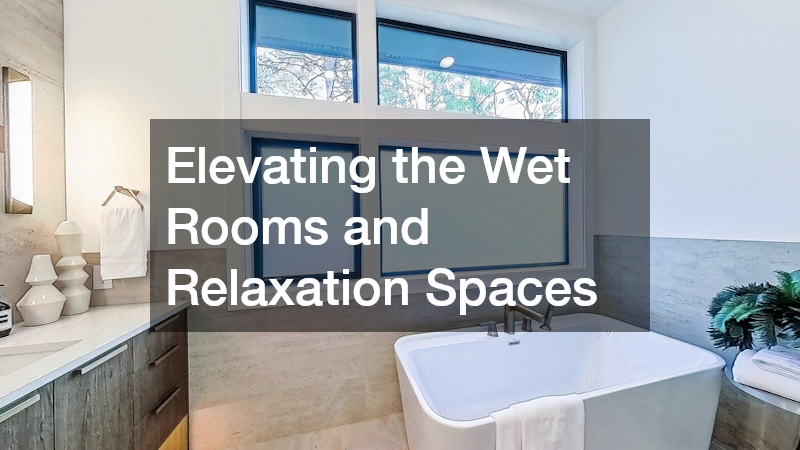
The master bathroom has evolved from a purely functional space into a private wellness retreat. In high-end custom homes, homeowners are prioritizing wet rooms—large, tiled spaces that enclose both a freestanding tub and a shower—to create a spa-like atmosphere. Features like steam generators, body sprays, and heated towel racks are becoming standard requests.
However, bathrooms are also the highest-risk areas for water damage inside the home. A complex shower design with benches, niches, and multiple showerheads requires intricate waterproofing. This is not the place for a general handyman. A specialized bathroom remodeler or tile setter who understands modern waterproofing membranes is vital. They ensure that the water that gets behind the tile flows correctly to the drain rather than seeping into the subfloor.
Entertainment and Media Considerations
While the bathroom is for private relaxation, the bonus room or basement is often for shared entertainment. If you are planning a dedicated media space, the rough-in phase is the time to plan for it. Wireless technology is great, but hard-wired connections still offer superior reliability and speed for high-definition streaming and gaming.
If you desire a cinematic experience, a professional home theater install is worth the investment. It involves more than just hanging a projector. It requires acoustic modeling to determine where to place sound-absorbing panels, calculating throw distances for the screen, and running heavy-gauge speaker wire before the drywall goes up. A professional can also centralize your equipment in a ventilated rack closet, keeping the room free of clutter and blinking lights.
Crafting the Approach and Curb Appeal
The exterior of your home tells a story before a guest ever steps inside. The approach—the driveway and walkway—sets the expectation for the quality of the rest of the property. While often treated as an afterthought, the driveway is a massive hardscape element that impacts drainage and curb appeal.
Material selection is key here. Pavers offer an upscale look but require maintenance to prevent weeds.
Concrete is durable but can crack in freezing climates. Asphalt is a popular choice for long, winding driveways due to its flexibility and cost-effectiveness. However, the longevity of asphalt depends entirely on the sub-base preparation. Experienced asphalt driveway contractors know that the gravel base must be deep and compacted correctly to prevent the surface from heaving or alligator cracking during freeze-thaw cycles.
Enhancing the Entry Experience
- Lighting: Path lights should guide guests safely without looking like an airport runway. Use warm, low-voltage lighting to highlight trees and architectural features. Uplighting on trees can create dramatic shadows that enhance the nighttime aesthetic.
- The Front Door: This is the handshake of the house. A custom wood or iron door adds weight and significance to the entry. Consider the swing direction and how it interacts with the foyer layout.
- Garage Placement: If possible, design a side-load garage so that the massive garage doors don’t dominate the front façade of the house. If a front-load garage is necessary, upgrade the doors to carriage-style designs that mimic swinging stable doors.
- Grading: Proper grading around the driveway is essential. The land should slope away from the pavement to prevent water from pooling on the surface, which accelerates deterioration.
Transforming the Outdoors into a Resort
One of the greatest advantages of a custom build is the ability to design the indoor and outdoor living spaces simultaneously. The goal is to create a seamless transition where the patio feels like an outdoor living room. This requires a master plan that considers sun exposure, privacy, and functionality.
Do not wait until the house is finished to think about the yard. Heavy equipment for the exterior work needs access, and doing this work after the driveway and sod are installed is difficult and expensive. Engage a landscaping service early to plan the hardscapes, retaining walls, and planting beds. They can help you select native plants that thrive in your local climate, reducing the need for excessive watering and chemical treatments.
Planning for Recreation
If a pool is part of your vision, it must be integrated into the foundation and grading plan. A custom swimming pool is a major engineering project. Considerations include:
- Sun Orientation: You generally want the pool in an area that gets afternoon sun to naturally warm the water.
- Safety Codes: Every municipality has strict fencing and alarm codes for pools. You may need self-closing gates and specific door alarms on any entrance leading to the pool area.
- Equipment Location: Pool pumps can be noisy. Plan a location for the equipment pad that is accessible for service but out of earshot from the lounging areas.
- Sanitation Systems: Decide between salt water, chlorine, or UV systems. Salt water is generally softer on the skin, but can be corrosive to certain stone copings.
A cohesive design ties the pool decking material to the main patio and walkways, creating a unified resort feel rather than a disjointed collection of concrete slabs.
Maximizing Waterfront or Unique Features
For those fortunate enough to build on a lake, river, or coastal lot, the stakes—and the rewards—are higher. The orientation of the home should pivot entirely around the view. Large window walls, sliding glass doors, and elevated decks are crucial for capitalizing on the location. However, building near water comes with a unique set of regulatory hurdles.
Permitting for waterfront structures is often handled by different agencies than the house itself (such as the Army Corps of Engineers or local environmental protection commissions). If your property allows for it, a dock is the ultimate amenity. It serves as the launchpad for your waterfront lifestyle. Consulting with boat dock builders early is essential because permitting for docks can take months. You need to determine the water depth, the bottom composition (mud vs. rock), and the type of boat you intend to moor.
Waterfront Considerations
- Material Choice: Docks and decks near water take a beating from the sun and moisture. Composite decking or tropical hardwoods like Ipe are often preferred over pressure-treated pine for their longevity and splinter-free finish.
- Erosion Control: You may need a bulkhead or rip-rap (stone reinforcement) to protect your shoreline from erosion caused by boat wakes and currents.
- Access: Consider how you will get from the house to the water. A gentle, winding path is often safer and more aesthetically pleasing than a steep, straight staircase. Lighting this path is critical for safety during evening boat rides.
Even if you aren’t on the water, look for the unique feature of your lot. Is there a grove of old-growth oak trees? A natural depression that could become a rain garden? A custom home should honor the land it sits on, using the natural topography to enhance the architecture.
Conclusion
Building a custom home is one of the most significant undertakings of your life. It is a journey that will test your patience, your decision-making skills, and your budget. But the reward is a space that fits you like a tailored suit—a home where every window, every wall, and every fixture was placed there with your specific happiness in mind.
The key to navigating this complex process is to prioritize the team and the “bones” of the house. Flashy finishes can always be upgraded later, but a poor foundation or a bad floor plan is forever. Take your time during the planning phase. Ask the hard questions. Invest in quality people and quality materials. If you approach the project with diligence and a clear vision, the result will not just be a structure, but a legacy that you and your family will enjoy for decades to come.