


A successful home remodel goes beyond updating a single room or improving curb appeal—it brings together both indoor and outdoor spaces into a cohesive, functional whole. When homeowners take a comprehensive approach, they can improve efficiency, prevent future issues, and maximize the return on their investment.
Rather than tackling projects one at a time, combining upgrades allows for better coordination, fewer disruptions, and smarter budgeting. It also ensures that improvements made in one area don’t interfere with or undo work completed elsewhere. From structural systems to outdoor features, every part of a home plays a role in its overall performance.
This guide explores practical upgrades to consider for both the interior and exterior of your home. With the right strategy, you can create a more comfortable, efficient, and visually appealing living environment.
Evaluate Your Home’s Current Condition Before Planning Upgrades
Address Critical Plumbing Infrastructure First

Plumbing is one of the most important systems to address early in any remodel. Issues hidden behind walls or underground can cause major disruptions if left unresolved.
Common signs that plumbing upgrades may be needed include:
-
Low water pressure
-
Discolored or rusty water
-
Frequent leaks or pipe corrosion
-
Unusually high water bills
Handling water line repairs at the beginning of your project prevents damage to newly renovated areas. It also ensures that all fixtures and appliances function properly once installed.
Hiring experienced local plumbers is key to getting the job done right. They can:
-
Inspect existing pipes and connections
-
Recommend upgrades to meet modern standards
-
Ensure compliance with local building codes
Best practices for plumbing upgrades:
-
Replace outdated piping materials
-
Install shut-off valves in accessible locations
-
Plan for future expansion or additional fixtures
Taking care of plumbing early reduces the risk of costly rework and helps your remodel progress without interruptions.
Upgrade Electrical Systems to Support Modern Living
As homes become more reliant on technology, electrical systems must keep up with increased demand. Outdated wiring can be both inefficient and unsafe.
Signs you may need electrical upgrades include:
-
Flickering lights
-
Frequently tripped breakers
-
Limited outlets in key areas
-
Older wiring that doesn’t meet current codes
Professional wiring services can help modernize your home and prepare it for future needs. This includes:
-
Adding new circuits for high-demand appliances
-
Installing energy-efficient lighting systems
-
Preparing for smart home integrations
When planning electrical upgrades:
-
Consider where you need additional outlets or USB ports
-
Plan for outdoor lighting and security systems
-
Coordinate wiring work with wall openings or structural changes
Safety should always be a top priority. Ensuring your electrical system is up to date protects both your home and your investment.
Improve Heating, Cooling, and Energy Efficiency
A comfortable home depends on efficient heating and cooling systems. During a remodel, it’s the perfect time to assess and upgrade these systems.
Start by evaluating:
-
The age and performance of your HVAC system
-
Energy efficiency ratings
-
Consistency of temperature throughout the home
Working with a trusted HVAC company allows you to determine whether repairs or full replacement is the best option.
In addition, don’t overlook your hot water system. Water heater repair services can:
-
Improve efficiency
-
Extend the lifespan of your unit
-
Ensure consistent hot water supply
To maximize energy efficiency:
-
Upgrade insulation alongside HVAC improvements
-
Seal air leaks around windows and doors
-
Install programmable or smart thermostats
Coordinating these upgrades during your remodel ensures everything works together for optimal performance.
Eliminate Exterior Hazards Before Construction Begins
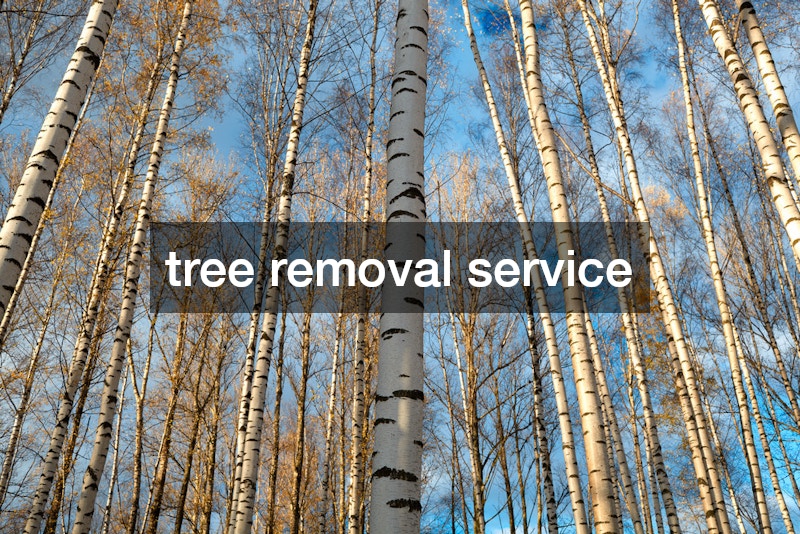
Before construction starts, it’s important to address any potential hazards in your yard. Overgrown or damaged trees can pose risks to both workers and your home.
A professional tree removal service can safely eliminate trees that:
-
Are too close to structures
-
Show signs of disease or decay
-
Interfere with planned construction
At the same time, local tree services can help maintain healthy vegetation by:
-
Pruning branches
-
Improving tree stability
-
Enhancing overall landscape health
Preparing your yard in advance:
-
Creates safer working conditions
-
Prevents accidental damage during construction
-
Provides better access for equipment and materials
This step ensures your project starts on solid ground—literally and figuratively.
Protect Your Home From Infestations During Renovation
Renovations often expose hidden areas of your home, which can make it easier for pests to enter or spread. Addressing this proactively can save time and stress later.
Common risks during remodeling include:
-
Open walls and entry points
-
Disturbed nesting areas
-
Increased debris and materials on-site
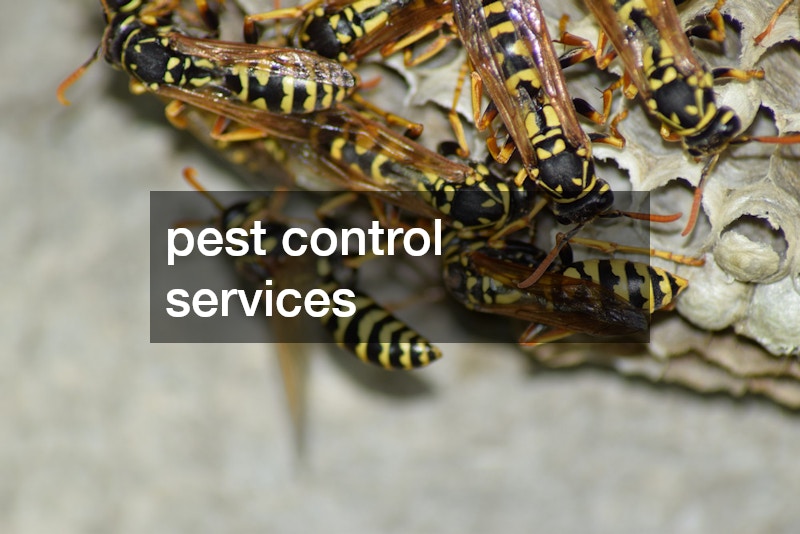
Scheduling pest control services before and during your project helps:
-
Identify existing infestations
-
Prevent new ones from developing
-
Protect materials and finished spaces
Preventative measures include:
-
Sealing gaps and cracks
-
Keeping work areas clean and organized
-
Storing materials properly
By incorporating pest management into your remodel plan, you can maintain a clean and safe environment throughout the process.
Upgrade Outdoor Surfaces for Function and Curb Appeal
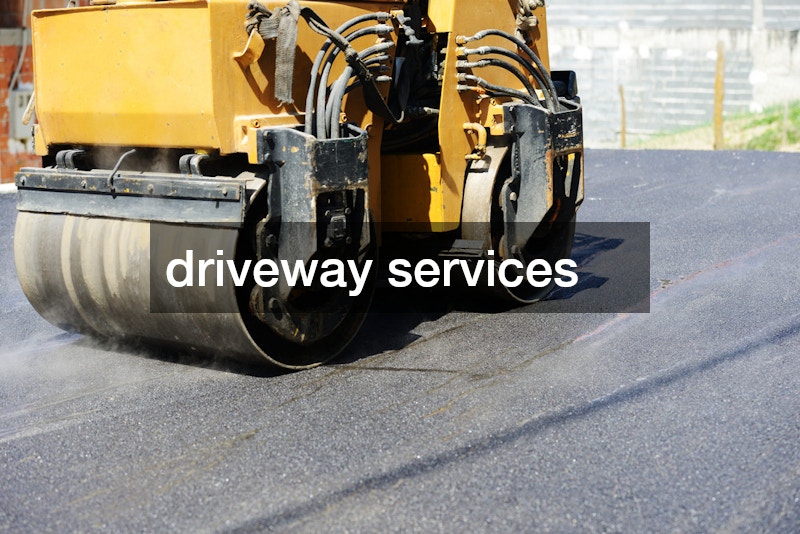
Outdoor surfaces play a major role in both functionality and appearance. Cracked or uneven driveways and walkways can detract from your home’s overall look and create safety hazards.
Professional driveway services can help:
-
Repair existing damage
-
Replace outdated materials
-
Improve drainage and durability
When planning upgrades:
-
Choose materials suited to your climate
-
Ensure proper grading to prevent water pooling
-
Coordinate installation with other outdoor work
Timing is also important. Complete heavy construction first to avoid damaging new surfaces.
Additional considerations:
-
Incorporate pathways that connect outdoor spaces
-
Add lighting for safety and visibility
-
Select finishes that complement your home’s exterior
These improvements enhance both usability and curb appeal.
Coordinate Interior and Exterior Work for Maximum Efficiency
One of the biggest challenges in a home remodel is ensuring that indoor and outdoor projects align. Poor coordination can lead to delays, duplicated work, or unnecessary expenses.
A skilled remodeling contractor can help oversee the entire process by:
-
Creating a unified project timeline
-
Scheduling contractors in the correct order
-
Managing communication between teams
For example, wiring services may need to be completed before both interior finishes and certain exterior installations. Coordinating this work ensures:
-
Walls don’t need to be reopened
-
Outdoor features have proper electrical connections
-
Timelines stay on track
Tips for better coordination:
-
Hold regular progress meetings
-
Share updated schedules with all contractors
-
Address conflicts as soon as they arise
This level of organization keeps your project running smoothly from start to finish.
Plan for Long-Term Maintenance and Durability
A successful remodel doesn’t end when construction is complete. Planning for long-term maintenance helps protect your investment and keeps your home in top condition.
Work with your HVAC company to establish a maintenance schedule that includes:
-
Regular inspections
-
Filter replacements
-
System tune-ups
Similarly, ongoing pest control services can prevent infestations from returning and protect your home’s structure.
Additional maintenance tips:
-
Inspect exterior surfaces annually
-
Clean and maintain drainage systems
-
Address minor issues before they become major problems
Choosing durable materials and reliable systems from the start also reduces the need for frequent repairs.
Budget Smartly Across Indoor and Outdoor Projects
Budgeting is one of the most important aspects of any remodeling project. Without a clear financial plan, costs can quickly spiral out of control.
Start by dividing your budget into categories:
-
Essential repairs
-
System upgrades
-
Cosmetic improvements
Set aside a contingency fund of at least 10–20% to cover unexpected expenses.
To stay on track:
-
Get multiple quotes from contractors
-
Compare costs and value, not just price
-
Prioritize projects that offer the greatest return on investment
Avoid common budgeting mistakes:
-
Overspending on aesthetics while neglecting infrastructure
-
Underestimating labor and material costs
-
Failing to plan for long-term maintenance
A balanced approach ensures all aspects of your remodel receive the attention they deserve.
Final Walkthrough and Quality Assurance Checklist
As your remodel nears completion, a final walkthrough ensures everything meets your expectations.
During this process:
-
Inspect all completed work carefully
-
Test systems for proper functionality
-
Check for any unfinished or incorrect details
Create a checklist that includes:
-
Verifying that all work matches the original plan
-
Ensuring permits and inspections are complete
-
Collecting warranties and documentation
Address any remaining issues before making final payments. Taking the time to review everything thoroughly ensures a successful and satisfying outcome.
A well-planned home remodel that combines indoor and outdoor upgrades can transform the way your home looks, feels, and functions. By approaching the project holistically and coordinating each step carefully, you can avoid common pitfalls and achieve a seamless result.
Thoughtful planning, skilled professionals, and attention to detail all play a role in creating a space that meets your needs today while adding value for the future.