


This article will delve into the meticulous process of calibrating truck scales by an industrial scale service. Understanding this process is crucial for businesses that rely on precise weight measurements for transportation and logistics. Accurate calibration not only ensures compliance with legal standards but also enhances the reliability of operations that depend on weight accuracy.
What Are the Steps Involved in Calibrating Truck Scales?
Inspection and Assessment
The calibration process begins with a comprehensive inspection and assessment of the truck scales. This initial step determines whether the scales are functioning correctly or if they require repairs before calibration. Checking the structural integrity and cleanliness of the scale components ensures that the calibration process is effective and the measurements are accurate.
During inspection, technicians look for any signs of wear and tear or damage that could affect the scale’s performance. Regular inspections help identify issues such as debris accumulation or mechanical faults that can lead to erroneous weight readings. By addressing these issues early, industrial scale companies maintain the operational efficiency of the scales.
Establishing Calibration Tolerances
Establishing calibration tolerances is a crucial component of the process, involving the determination of allowable measurement variations. This step involves setting precise standards that the truck scales must meet to pass calibration. By defining these tolerances, industrial scale services create a benchmark for evaluating the accuracy of the scale’s weight readings.
Calibration tolerances are influenced by industry regulations and the specific applications for which the scales are used. For example, scales used in the transportation of goods may have stricter tolerances compared to those used for other purposes. Adhering to these standards ensures that the scales provide reliable data for decision-making and comply with industry norms.
Executing the Calibration
Executing the calibration involves a systematic approach to adjusting the truck scale’s sensors and readouts to meet the established standards. Technicians apply certified test weights to the scale, making necessary adjustments until the readings align with the known values of these weights. This iterative process requires precision and expertise to ensure that the scale performs reliably under real-world conditions.
The calibration process tests the scale’s entire range of operations, from its minimum to maximum capacity. This comprehensive approach ensures that the scale provides accurate readings across its full spectrum of use. In addition, the incorporation of advanced technology, such as digital sensors, has enhanced the accuracy and efficiency of the calibration process.
Why Is Regular Calibration Essential for Truck Scales?
Ensuring Accurate Measurements
Regular calibration is indispensable in maintaining accurate measurements, which are vital for compliance with industry standards and regulations. Weight accuracy affects numerous business operations, from adhering to transportation regulations to determining freight costs. Businesses must depend on precise data to make informed decisions and avoid costly mistakes.
Preventing Financial Losses
By avoiding the pitfalls of inaccurate measurements, regular calibration helps prevent financial losses in several ways. Businesses can evade penalties and fees associated with regulatory non-compliance by ensuring their scales meet required accuracy standards. Overloading charges, often a result of incorrect weight data, can also be mitigated through calibrated scales.
How to Choose an Industrial Scale Service for Calibration?
Checking Certifications and Credentials
Choosing the right industrial scale company involves checking for certifications and the necessary credentials that demonstrate compliance with industry standards. Certifications from recognized bodies ensure that the service provider adheres to best practices and maintains the quality of their work. A service provider with the right credentials is more likely to deliver accurate and reliable calibration results.
Evaluating Experience and Expertise
Experience and expertise are crucial factors when selecting an industrial scale provider for calibration. An experienced provider understands the diverse challenges and technical requirements of calibrating scales across different industries. With extensive expertise, providers can offer tailored solutions that meet specific customer needs while ensuring compliance with relevant standards.
Reviewing Client Testimonials and Feedback
Client testimonials and feedback are invaluable when evaluating industrial scale service providers. These firsthand accounts of service experiences provide insight into a provider’s operational standards, reliability, and customer satisfaction. Positive testimonials serve as strong endorsements, suggesting a provider consistently delivers high-quality calibration services.
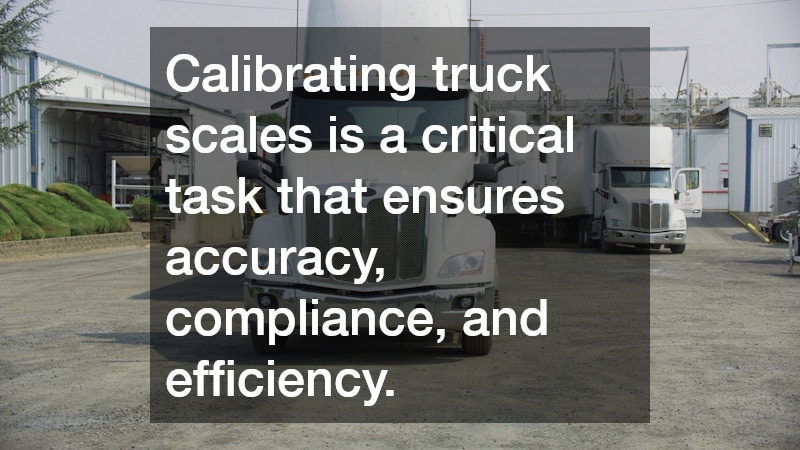
Calibrating truck scales is a critical task that ensures accuracy, compliance, and efficiency in operations reliant on precise weight measurements. By understanding the calibration process and choosing the right service, businesses can optimize performance and reduce operational risks. Investing in calibrated truck scales also signifies a company’s commitment to operational excellence and regulatory adherence, which can enhance reputation and trust in the market.